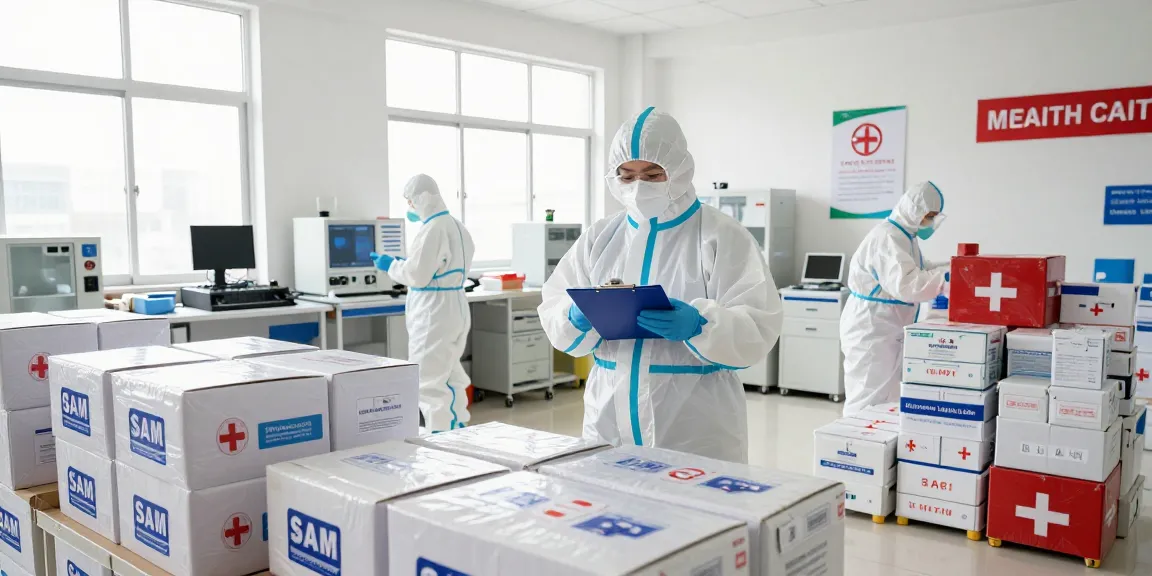
The Importance of Quality Medical Supplies
In the realm of healthcare, the significance of quality medical supplies cannot be overstated. These supplies are the backbone of effective patient care, influencing outcomes in emergency situations and routine procedures alike. Among the brands leading this domain is SAM Medical, known for its innovative products specifically designed for emergency medical services. Understanding the potential of quality medical supplies is essential for practitioners who want to ensure they are well-equipped to respond to any medical situation.
Understanding SAM Medical Products
SAM Medical specializes in producing high-quality medical supplies, particularly for emergency medical situations. Their flagship products, such as the SAM Splint, exemplify a blend of innovation, reliability, and user-friendliness. The SAM Splint, for instance, is a flexible and lightweight splint that can be molded to provide optimal support for fractures and dislocations. The emphasis on creating supplies that are easy to use under pressure is crucial as emergency responders often operate in high-stress environments where time and functionality are critical.
Impact on Emergency Services
The impact of quality medical supplies like those offered by SAM Medical on emergency services is profound. When first responders have access to reliable equipment, it directly enhances the efficacy of their care. Studies have shown that quick and efficient treatment can significantly improve patient outcomes in critical situations. The use of SAM Medical products ensures that emergency personnel can focus on what matters most: saving lives.
Quality Standards and Regulations
To maintain high standards in medical supplies, manufacturers must adhere to stringent regulations set by health authorities. SAM Medical complies with these standards, ensuring their products meet or exceed regulatory requirements. This commitment to quality assurance is vital in building trust among healthcare providers and users alike, assuring them that the supplies they utilize will perform as expected, especially in life-or-death scenarios.
Common Challenges in Medical Supply Management
Despite the critical need for quality medical supplies, managing them effectively poses several challenges. Understanding these challenges is essential for healthcare administrators and practitioners who seek to optimize their supply chains and ensure consistent availability of necessary products.
Inventory Shortages and Overages
One of the most common challenges in medical supply management is balancing inventory levels. Shortages can lead to delays in care while overages can result in waste, particularly for perishable medical items. Trends show that facilities utilizing advanced inventory management systems are better equipped to predict and respond to these fluctuations, thereby reducing the likelihood of shortages and ensuring that resources are available when needed.
Supply Chain Disruptions
Recent global events have highlighted vulnerabilities within supply chains for medical products. Disruptions caused by natural disasters, pandemics, or geopolitical tensions can hinder the delivery of essential supplies. Organizations must develop robust contingency plans while also diversifying their supply sources to mitigate these risks. Establishing partnerships with reliable manufacturers like SAM Medical can help maintain a steady flow of critical supplies during crises.
Regulatory Compliance Issues
Regulatory compliance is another significant challenge faced by medical supply managers. Ensuring that all products meet the necessary legal and quality standards requires continuous monitoring and extensive documentation. This can be particularly daunting for facilities without a dedicated compliance team. By collaborating with established suppliers who prioritize compliance, healthcare organizations can ease this burden.
Best Practices for Sourcing SAM Medical Supplies
To harness the full potential of SAM Medical products, it's crucial to adopt best practices when sourcing these supplies. This not only optimizes procurement processes but also contributes to overall patient care quality.
Evaluating Suppliers
Choosing the right supplier is critical. Organizations should evaluate potential suppliers based on their product quality, reputation, and ability to meet regulatory standards. Conducting thorough research and requesting samples before committing to a supplier can help ensure that the products meet the required specifications for emergency medical situations.
Negotiating Contracts Effectively
Effective contract negotiation can lead to significant cost savings and improved supply chain reliability. It is important to understand market rates and to ensure that contracts include clauses that protect against price increases and supply shortages. Building long-term relationships with suppliers like SAM Medical can lead to better terms and more favorable conditions.
Leveraging Technology for Inventory Management
Utilizing technology for inventory management can greatly enhance the efficiency of medical supply management. Implementing systems that utilize real-time data analytics can help facilities maintain optimal stock levels, predict trends, and respond quickly to unexpected shortages or surpluses.
Case Studies: Successful Implementations
Examining real-world applications of SAM Medical products can provide valuable insights for healthcare professionals seeking to improve their supply usage.
Emergency Services Using SAM Medical
Numerous emergency services have successfully integrated SAM Medical products into their operations. For instance, a municipal ambulance service reported a 30% reduction in response time for orthopedic emergencies after adopting SAM Splints, demonstrating the importance of quality supplies in acute care scenarios.
Hospital Case Studies
Hospitals that have standardized their medical supplies with SAM Medical products have noted improved patient outcomes. A hospital in Texas documented a decrease in surgical complications related to improper immobilization following the implementation of SAM's innovative splinting solutions, underscoring the importance of quality in product selection.
Long-Term Partnerships with Suppliers
Organizations that establish long-term partnerships with reputable suppliers consistently report higher satisfaction levels among their staff and improved patient care outcomes. By collaborating closely with SAM Medical, healthcare facilities have gained access to training resources and support, facilitating better use of their products in practical settings.
Future Trends in Medical Supplies for 2026
As we look towards 2026, several trends are likely to shape the medical supplies landscape. Understanding these trends can help healthcare providers stay ahead of the curve and ensure they remain equipped to meet evolving needs.
Technological Innovations
Technological advancements in medical supplies continue to influence how healthcare is delivered. Innovations such as smart bandages with embedded sensors are on the horizon, providing real-time patient data and enhancing remote monitoring capabilities.
Sustainability in Medical Supplies
Sustainability is becoming a pressing concern in healthcare. Manufacturers are beginning to prioritize eco-friendly materials and processes, striving to minimize environmental impacts. SAM Medical is expected to join this trend, focusing on developing sustainable product options without compromising on quality.
Emerging Consumer Preferences
Patients' preferences are evolving, placing more emphasis on personalized care and product transparency. As a result, healthcare providers may find themselves needing to adjust their supply sourcing strategies to align with patients' expectations for quality and accountability in healthcare products.
What are the most effective SAM Medical products?
The most effective SAM Medical products include the SAM Splint, SAM Chest Seal, and SAM Pelvic Sling. Each product is designed with ease of use and efficacy in mind, making them essential tools for emergency medical providers.
How to ensure compliance with medical supply regulations?
To ensure compliance, organizations must stay informed about the relevant regulations that affect their operations. Regular training, audits, and collaborating with reputable suppliers can also help maintain compliance.
What challenges do emergency services face today?
Emergency services today face challenges such as resource allocation, training deficiencies, and supply chain management issues, all of which can impact their operational efficiency.
How can hospitals improve their supply chain?
Hospitals can improve their supply chains by adopting technology-driven solutions, enhancing supplier relationships, and engaging in strategic planning to anticipate future needs.
What trends should we expect in the medical supply industry by 2026?
Expect trends like the integration of advanced technology, a focus on sustainable practices, and shifts in consumer preferences to heavily shape the medical supply industry by 2026.